
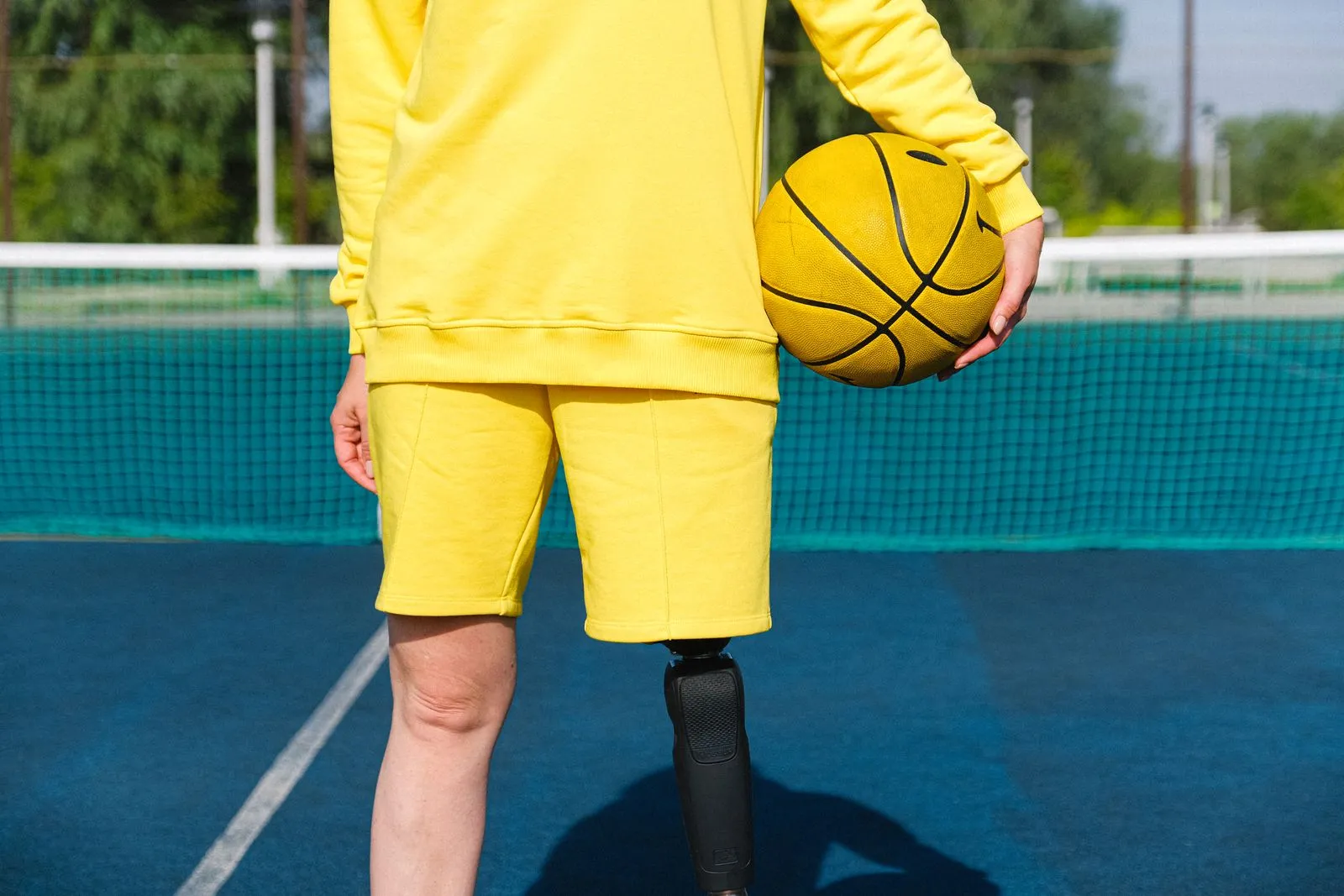
A shirt that feels soft to one child may feel scratchy, tight, or distracting to another. When shopping for sensory-friendly clothes, pay attention to the details that touch the skin and move with the body. Fabric texture, seam placement, labels, and fit can all affect whether a child is comfortable wearing a garment. Consider the child’s preferences and daily routines, then use them to guide what you inspect, try on, and keep.
Check Fabric Feel
Start with textures your child already accepts. If possible, let them touch a fabric swatch or garment before buying. Some children prefer smooth, lightweight materials; others feel more settled in soft, substantial fabrics. A fiber name alone does not tell you how a garment will feel, so check the surface, stretch, weight, and lining as well.
Look at care instructions before choosing a fabric. A material that feels comfortable at first may change after washing, while a garment that needs special care may be difficult to use often. Wash a new item before wearing it if that suits your routine, and check for stiffness, pilling, or changes in texture. Keep notes on fabrics your child consistently prefers.
Inspect Seams and Labels
Seams can rub at the shoulders, sides, waist, or underarms, especially when a child moves or sits for long periods. Turn the garment inside out and feel along the seam edges. Check whether they are flat, bulky, raised, or covered with a rough finish. Also inspect elastic, closures, and decorative stitching, since these details can press against the skin.
A neck label may cause irritation even when the rest of the garment feels comfortable. Look for printed care information or removable labels, and check that cutting off a tag will not leave a scratchy edge. If you remove one, trim carefully without cutting the seam. For online orders, review product photos and descriptions, then ask the seller about label and seam construction if details are missing.
Choose a Comfortable Fit
Fit is about more than the size printed on the tag. A close fit may feel restrictive to some children, while loose fabric can bunch, twist, or brush against the skin. Check the garment at the shoulders, waist, cuffs, and neckline. Make sure the child can sit, reach, bend, and play without pulling at the clothing or needing constant adjustments.
Consider how the child will wear the garment and what dressing requires. Wider openings, easy fasteners, and flexible fabrics may help if pulling clothes over the head or managing small closures is difficult. Check the fit over any layers or medical devices the child regularly wears. If trying on is possible, let the child move around and describe what feels comfortable or bothersome.
Use a Simple Shopping Plan
Before shopping, list the sensations your child seeks or avoids. Include preferred textures, disliked areas, acceptable fits, and any clothing features that cause difficulty. Bring a familiar garment as a reference when you can. This helps you compare new options with something the child already tolerates instead of relying only on product descriptions or assumptions.
When a new item seems promising, try it at home for a short period before making it part of a full day. Notice whether discomfort appears during movement, after warming up, or at a particular seam or closure. Keep successful garments in rotation and use what you learn to guide future purchases. Sensory preferences vary, so the child’s response is the most useful measure.
Comfort comes from the whole garment, not just its fabric label. Check how it feels against the skin, inspect seams and tags, and assess fit during real movement. Start with the child’s known preferences and adjust based on their feedback. Orlando Adapt Wear can help families explore clothing options suited to individual comfort needs.