
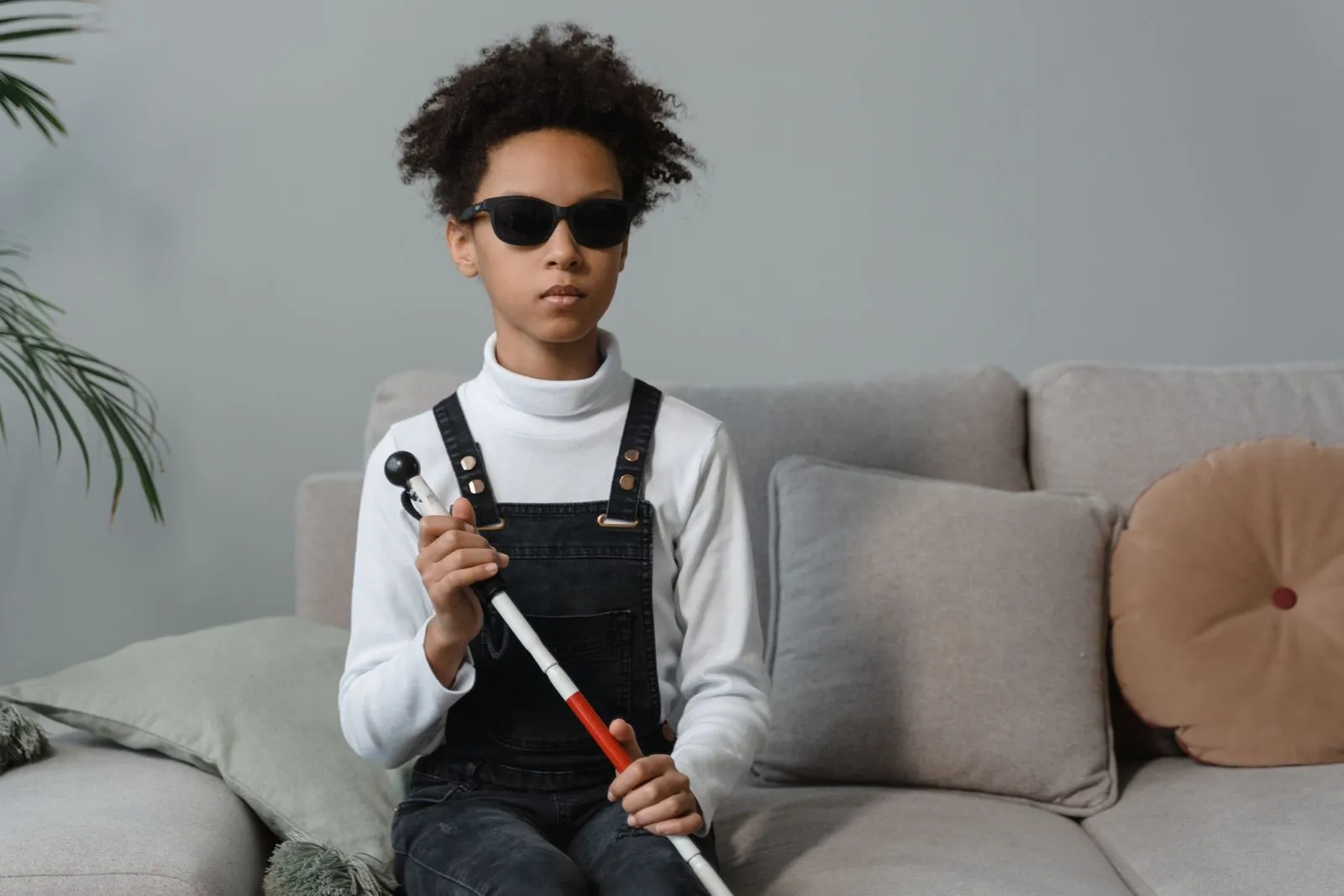
Dressing a child can take extra time when buttons, tight openings, or difficult positioning get in the way. Adaptive clothing changes familiar garment details to make dressing more manageable for children and caregivers. The right features depend on a child’s mobility, sensory preferences, medical needs, and ability to dress independently. Understanding how closures and garment construction work can help you choose pieces that fit your daily routine—not just look convenient on a hanger.
Choose Closures for the Task
Look for closures that match the child’s dexterity and the caregiver’s preferred dressing method. Magnetic fasteners or hook-and-loop tabs can be easier to manage than small buttons, while large zipper pulls may help a child who can grasp but struggles with fine movements. Test how much force a closure needs and whether it stays secure during play.
The closure’s location matters as much as its type. Side, shoulder, or back openings can help when raising arms or pulling a garment over the head is difficult. Openings along a garment’s inseam can make changing easier without fully removing a top or bottom. Check that fasteners do not press against the skin or interfere with equipment.
Check Fit and Ease of Access
A roomy cut can make dressing simpler, but excess fabric may bunch or catch on mobility equipment. Check the garment while the child is sitting, standing, and moving in their usual way. Sleeves and pant legs should allow comfortable movement, and waistbands should stay in place without digging in or slipping.
For children who use orthotics, feeding tubes, or other medical devices, consider whether the garment provides access without pulling or exposing more than needed. Some designs include discreet openings or adjustable areas. Confirm that an opening aligns with the device and remains accessible in the child’s typical position.
Consider Comfort and Sensory Needs
Seams, labels, elastic, and fabric texture can affect whether a child tolerates a garment throughout the day. Flat seams, tag-free labels, and soft materials may reduce irritation for children who are sensitive to touch. If possible, let the child feel the fabric and try the garment before relying on it for a full day.
Temperature and layering also matter. A child who spends time in a wheelchair may need different coverage than a child who is active on their feet. Check whether fabric breathes, whether layers can be adjusted easily, and whether closures remain comfortable under coats or positioning supports.
Match Features to Your Routine
Start by identifying the hardest part of dressing: getting a garment over the head, managing fasteners, changing for toileting, or fitting around equipment. Then compare clothing based on that specific task. A feature that solves one challenge may add steps elsewhere, so consider the full dressing sequence from putting clothes on to removing them.
Before buying several pieces, try one garment during a typical dressing routine. Notice how long it takes, whether the child can participate, and if any part needs adjustment. Wash and care instructions matter too; a closure that requires special handling may not suit a busy household. Keep notes on what works to guide future choices.
Adaptive clothing works best when its features address a child’s actual dressing needs and remain comfortable through the day. Compare closure placement, fit, fabric, and access to equipment, then test a garment in your regular routine. Orlando Adapt Wear can help you explore options for your child’s needs; contact the boutique to discuss what may work.